

 UK - English (£)
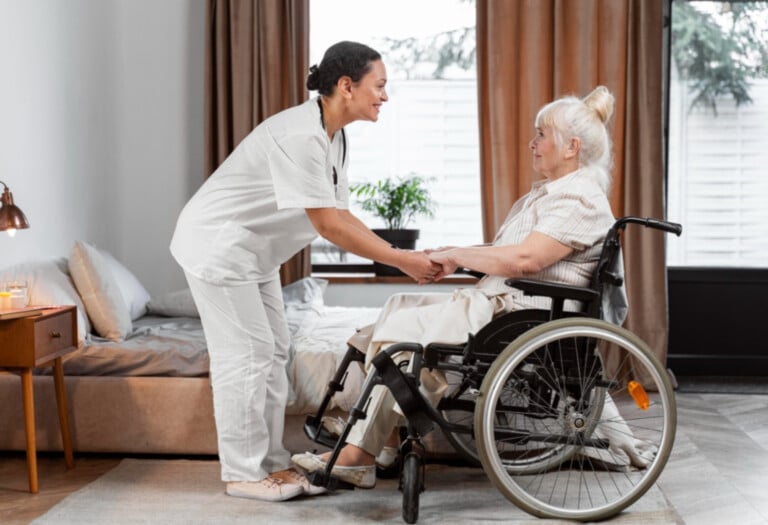
Moving a loved one into a care home is a significant life transition that comes with a mixture of emotions for us all. Whether the move is planned or happens quickly due to changing circumstances, taking time to prepare can help make the transition smoother for everyone involved.
Here are 10 essential tips to guide you through this important journey
1. What to Pack to Create a Homely Environment
Familiarity brings comfort, especially during times of change. When packing for your loved one's move, think about the items that hold meaning and make a house feel like home.
Consider bringing favourite photographs in frames, a cherished blanket or cushion, and perhaps a comfortable chair if space allows. Personal touches like ornaments, books, or a small radio can transform an unfamiliar room into a reassuring personal space.
Don't overlook practical comfort items either: their preferred toiletries, a favourite mug, or even their own pillow can provide daily moments of normality. Many care homes welcome these personal belongings and understand how important they are in helping residents settle.
It's worth checking what furniture and items the room comes equipped with, so you can complement rather than duplicate.
2. Consider Whether the Home Accepts Pets
For many people, pets are cherished companions and family members. If your family member has a pet, it's worth exploring whether the care home has a pet-friendly policy. Some homes welcome small, well-behaved pets or have visiting arrangements that allow family members to bring pets during visits.
The companionship of an animal can provide tremendous emotional support and continuity during a difficult transition. Even if keeping a pet permanently isn't possible, knowing that regular visits are welcomed can offer everyone peace of mind.
3. Review Policies and Care Home Statements Thoroughly
Before committing to a care home, take time to understand the full picture of how the home operates. Request copies of key policies, including those covering care procedures, complaints processes, visiting hours and residents' rights.
The home's statement of purpose should outline their philosophy of care and what they aim to provide. Understanding these documents helps set realistic expectations and ensures transparency from the start.
Don't hesitate to ask questions about anything unclear – a good care home will welcome your thoroughness and be happy to explain their approach to care.
4. Ensure the Home Meets Your Needs and Has a Good CQC Rating
The Care Quality Commission (CQC) rating provides an independent assessment of the home's standards. Look for homes rated 'Good' or 'Outstanding', and read the detailed inspection reports available on the CQC website.
These reports offer insights into the home's strengths and any areas for improvement. Remember that a good rating, while important, should be considered alongside your personal impressions and your loved one's specific needs.
Consider their medical conditions, mobility requirements, dietary needs, and personal preferences: Does the home have staff trained in dementia care if needed? Can they accommodate specific dietary requirements? etc.
5. Prepare Emotionally for the Move
The emotional aspect of moving into care can be the most challenging part of the transition for everyone involved.
Your loved one may feel a sense of loss, anxiety about the unknown, or worry about being a burden. Family members often experience guilt, sadness, or relief – sometimes all at once.
Acknowledge these feelings openly and give everyone space to express their concerns. If possible, involve your loved one in decisions about their care and living arrangements – maintaining their dignity and autonomy is crucial. Consider visiting the home together beforehand, perhaps joining a mealtime or activity so they can begin to visualise their new daily life.
6. Handle Practical Matters Like Changing Address
Amidst the emotional preparations, practical administrative tasks need attention. Arrange for mail redirection through Royal Mail to ensure important correspondence isn't missed. Notify relevant companies of the address change, including banks, insurance companies, pension providers, utility companies and the GP surgery.
Update electoral roll registration and inform the DVLA if necessary. If your loved one is moving from their own home, you'll need to consider arrangements for ending tenancies or managing property ownership. Creating a checklist of organisations to contact can help ensure nothing important is overlooked during a busy time.
7. Consider Facilities and Personal Preferences
Beyond meeting care needs, think about what will enhance your loved one's quality of life. Does the home have pleasant outdoor spaces if they enjoy gardens? Are there communal areas for socialising if they're outgoing, or quiet spaces if they prefer solitude?
Look at the activities programme and whether it aligns with their interests. Some homes offer hairdressing services, religious services, or links with the local community. The atmosphere and culture of a care home matter enormously to daily happiness, so trust your instincts about whether somewhere feels like a good fit.
8. Label Clothing and Personal Effects with Attach A Tag
With communal laundry services and the possibility of items moving between rooms, clearly labelling your loved one's belongings helps prevent losses and mix-ups. This is particularly important for clothing, glasses, hearing aids and any small personal items.
Attach A Tag offers a practical solution for this, providing durable clothing tags & item labels that can withstand regular washing and remain clearly legible. Taking time to label everything from the start (including shoes, toiletries, and even spectacle cases) saves considerable stress later when trying to track down missing items.
It's a small task that makes a meaningful difference to maintaining your loved one's possessions.
9. Encourage Participation in Outings and Activities
Enrichment through activities, entertainment, and outings plays a vital role in wellbeing and quality of life. Most care homes organise regular activities ranging from music and arts to exercise classes and social gatherings. Some arrange trips to local attractions, gardens, or events.
Encourage your loved one to try activities that interest them, even if they feel hesitant initially. Participation helps create routine, provides mental stimulation, and offers opportunities to form friendships with other residents.
10. Stay Connected to Your Loved One
Regular contact with family and friends remains vital after moving into care. Establish a visiting routine that works for everyone, bearing in mind that quality often matters more than frequency. Phone calls, video chats, and messages all help maintain closeness between physical visits.
Involve your loved one in family news, decisions, and celebrations when appropriate. Bringing photographs from family gatherings, including them in planning discussions, or celebrating milestones together at the care home helps them feel they remain an integral part of the family, not someone set apart from everyday life.