

 US - English ($)
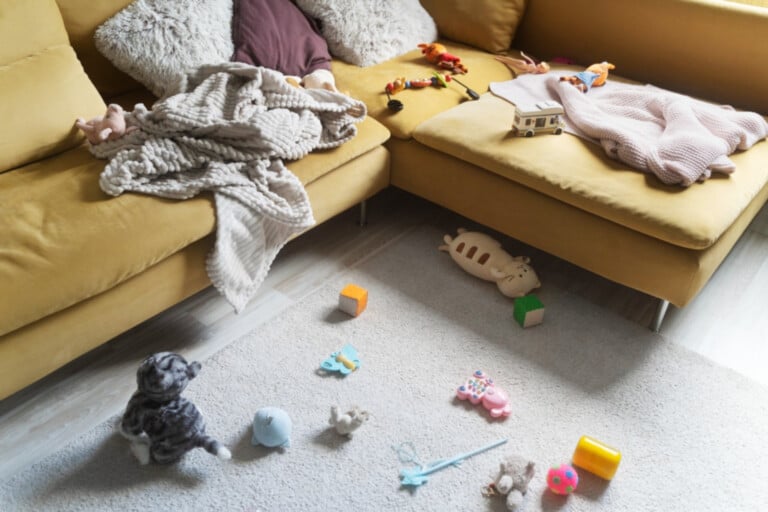
Asking a child to tidy up can sometimes feel like negotiating a peace treaty, but what if cleaning didn't have to be a battle? With a little creativity and a sprinkle of psychology, you can turn chores into something kids actually want to do. Yes, really.
Start with the Secret Cleaning Weapon: Make It a Game
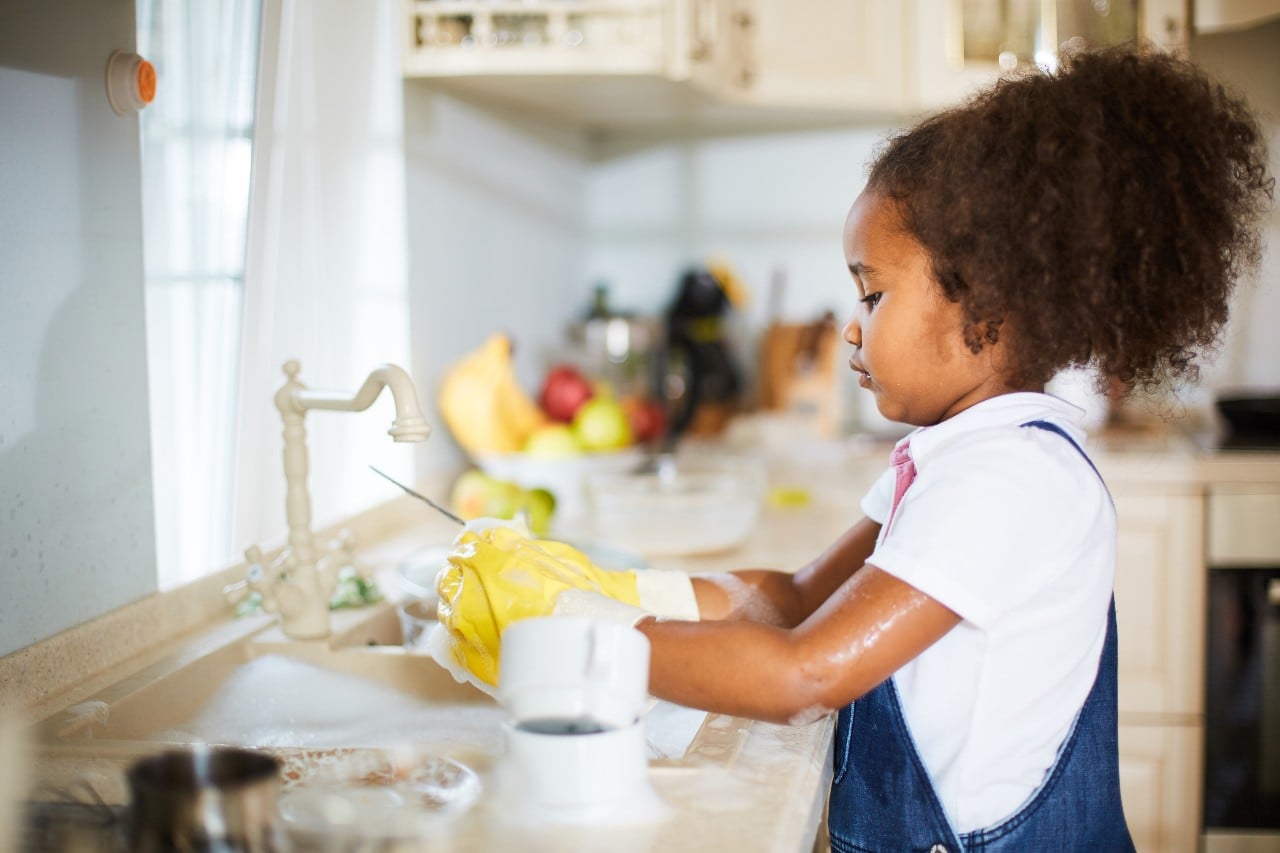
Kids don't hate cleaning, they hate boring. The moment you "gamify" cleaning and add a timer, a mission or a silly voice, everything changes.
Try to Race Against the Clock! set a 5-minute timer and challenge your little ones to pick up every toy before it runs out. The urgency is electric. You'll be amazed how fast a Lego-covered floor can transform when there's a countdown involved.
Long cleaning sessions are the enemy. Short, focused bursts of 5 to 10 minutes are far more effective and less demoralising. Young kids can have very short attention spans, so use it to your advantage.
You can also go full drama with Superhero Cleaning Mode - the room isn't messy, it's been contaminated, and only your tiny heroes can decontaminate it in time. Cape optional (but encouraged).
Or try The Pavlov Approach with cleaning songs! a trick borrowed from behavioural psychology is to pair cleaning with a catchy song, every single time. YouTube is full of "clean up" songs for toddlers and after enough repetitions, the song itself becomes the signal to tidy. Your child's brain starts to associate the melody with action — no nagging required.
Personalise their Cleaning Gear
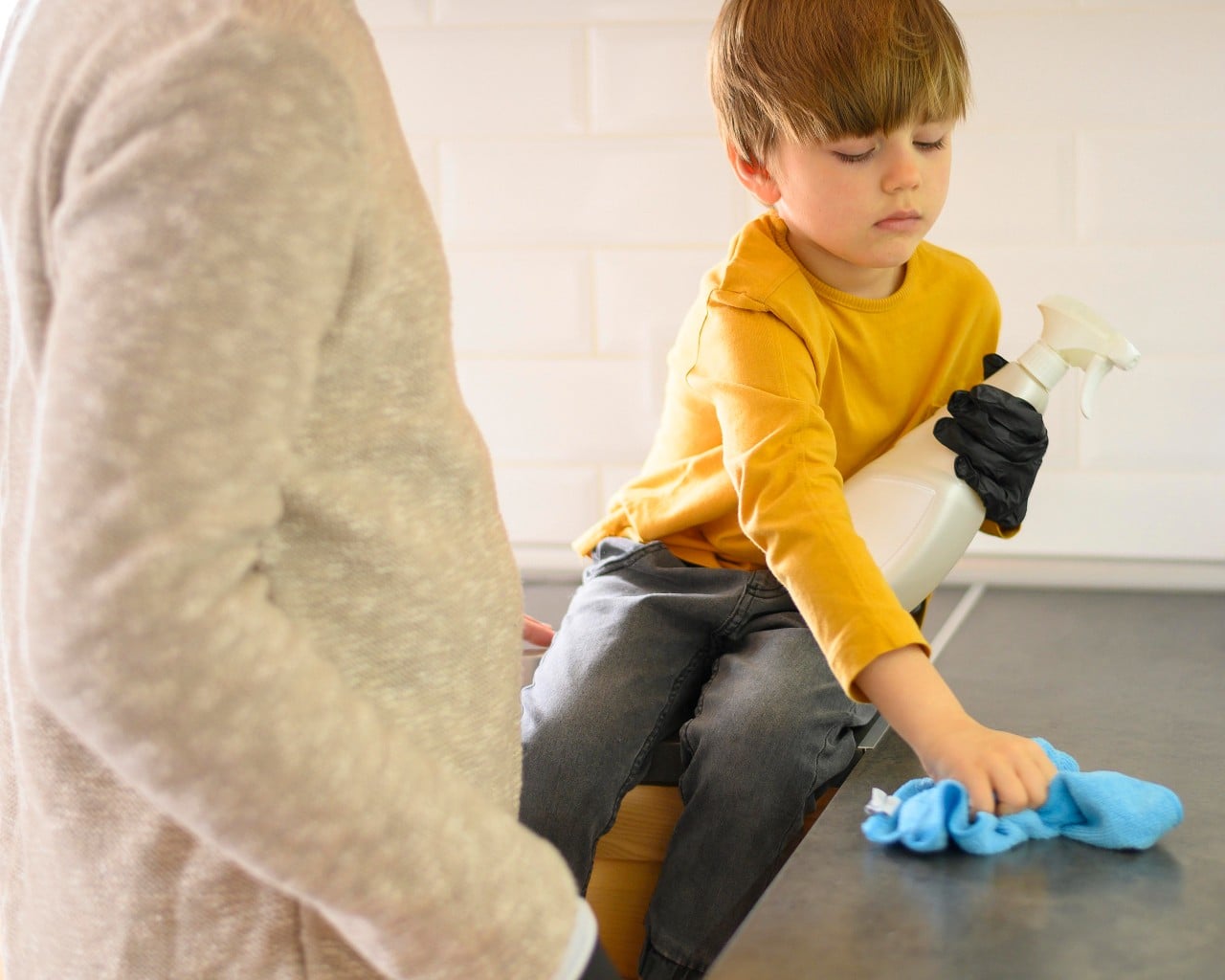
Nobody wants to clean with boring tools. Let your kids decorate their own cleaning supplies: stick stickers on a spray bottle, personalise a small bucket, or pick out a mop in their favourite colour. When the equipment feels theirs, they're far more invested in using it.
Why Toddlers Are Actually Natural Tidiers (Hear us out)
Here's something fascinating that not everyone knows... toddlers have a deep, subconscious craving for order. According to Montessori principles, young children feel safer when they know where things belong.
This developmental window (2-5) is actually the ideal time to instil tidy habits - not because you're forcing compliance, but because it aligns with how their brains are wired. Work with it, not against it.
For this age group, try character-led encouragement: "Let's tidy up like Bluey!" or "What would Daniel Tiger do?" A beloved character's imagined approval can be surprisingly motivating.
Reward Systems That Actually Work
Sticker charts are a classic for a reason! visible progress feels good at any age.
For older kids, level it up - let them save sticker points toward something they really want, whether that's a toy, a day trip, or a piece of small tech they've been eyeing.
The anticipation of a meaningful reward is powerful stuff.
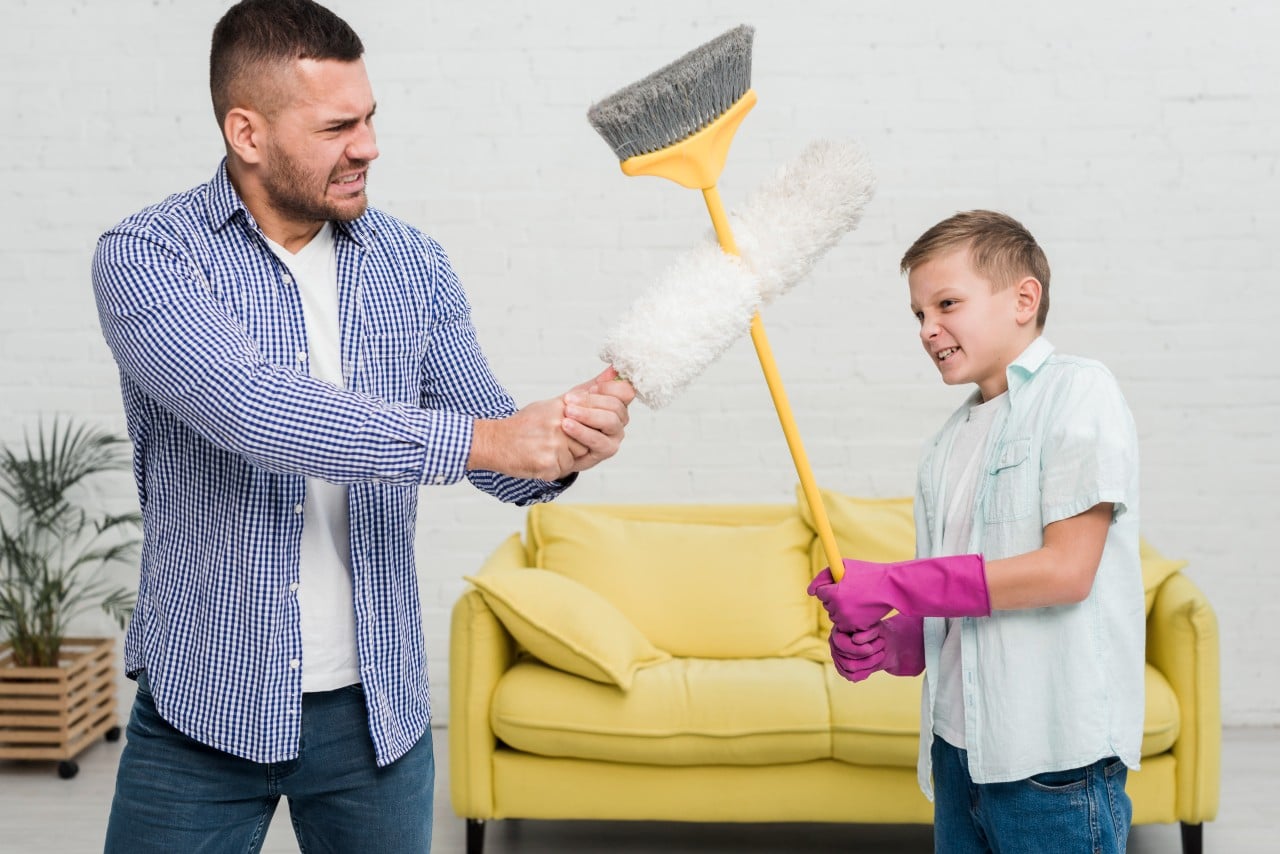
Finally, set everyone up to succeed by assigning age-appropriate tasks. Younger children can sort laundry by colour or wipe down surfaces; older kids can sweep, fold, or load the dishwasher. When a task feels manageable, completing it builds genuine pride...
and that's the real secret to raising a kid who cleans.